You are viewing 1 of your 1 free articles
Heylo downgraded by Regulator of Social Housing for failing to protect its homes
Heylo Group’s registered provider has been downgraded to the lowest possible governance and financial viability grades by the Regulator of Social Housing (RSH), which said the landlord’s business model “can’t protect its homes and tenants”.


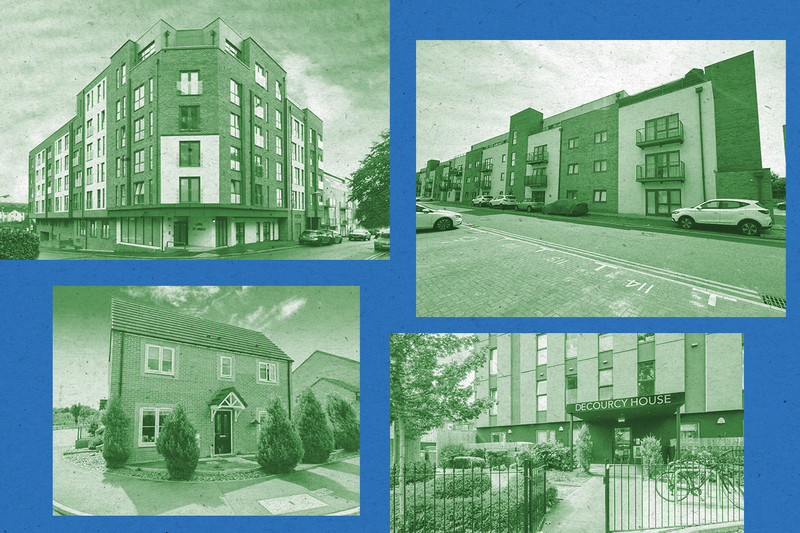 Heylo Group’s registered provider has been downgraded to the lowest possible governance and financial viability grades by the Regulator of Social Housing (RSH), which said the landlord’s business model “can’t protect its homes and tenants” #UKhousing
Heylo Housing Registered Provider (Heylo RP) has been downgraded to G4* and V4* for governance and financial viability by the RSH due to issues of “serious regulatory concern”. The regulator uses an asterisk next to grades assigned to for-profit providers.
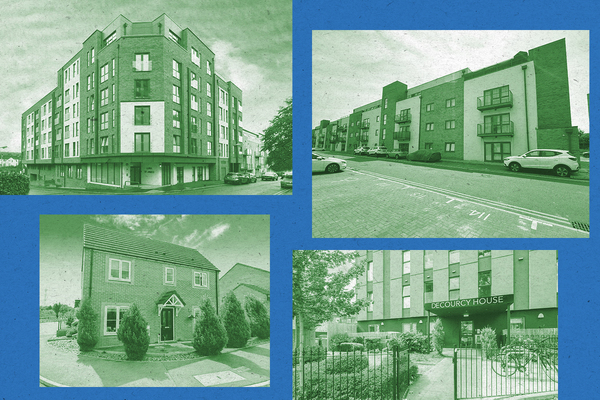
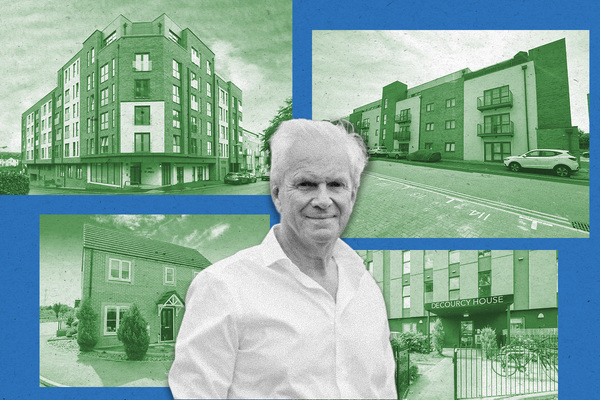
The shared ownership specialist has “failed to protect the homes” of its residents, the RSH said. It owns none of its 10,100 homes, but rather leases them from unregistered “investment pods” outside of the regulator’s purview.
This has left Heylo RP “dependent” on the wider parent company, Heylo Group, to manage financial problems affecting its homes. In addition, it has “failed to put things right” despite its previous commitment to the RSH.
The regulator noted that two of the pods entered financial administration in March, meaning decisions about nearly 3,500 of Heylo RP’s social homes now rest with administrators.
Because of Heylo’s unique structure, the RSH “does not have a formal role” in the administration process, but it is working with the administrator to support a resolution that “safeguards the future of the homes”.
Read more

The RSH found that Heylo RP has “failed to ensure effective governance, risk management and financial controls”, exposing its shared ownership homes to “significant risks” and leading to “serious concerns” about its viability and ability to operate independently.
Heylo RP “has not provided evidence that it can continue to operate in the short term”, the regulator said. It has also failed to demonstrate that it can manage and mitigate “critical risks” that might be caused by wider group members.
Jonathan Walters, chief executive of the RSH, said: “Heylo RP’s current business model means it can’t protect its homes and tenants. We have worked intensively with Heylo RP to get it to sort out its governance arrangements, so it can safeguard the shared ownership homes from decisions taken elsewhere in the group. Its failure to make these changes is unacceptable.
“Being a registered provider is a serious undertaking that brings significant but essential obligations. Heylo RP chose not to go through our registration process and we subsequently found serious issues. Its failure to act has placed public funds, investor funds and the reputation of the sector at risk.
“We will continue to engage intensively with Heylo RP and expect swift action to address our concerns, meet the standards and protect tenants’ homes.”
A G4* and V4* grading would ordinarily result in the RSH’s immediate use of regulatory or enforcement powers to safeguard a landlord’s social homes and governance arrangements. But as the position for Heylo RP is “materially more complex” due to group arrangements, the structure through which the social homes are held and Heylo RP’s “limited ability” to exercise control over the events that have led to the identified risks, the RSH “does not intend to immediately exercise further powers but will take action if required”.
A Heylo spokesperson said: “We accept the regulator’s judgement. Heylo Housing Registered Provider remains a registered provider regulated by the Regulator of Social Housing, and we are working with the regulator to address the matters it has identified.
“Notwithstanding the seriousness of the concerns raised, the regulator has made it clear that it remains committed to working constructively with HHRP and the wider group and has also been clear that its continued expectation is that HHRP will be able to address and meet the relevant regulatory requirements needed to regain compliance.
“Our customers remain our priority, and we will continue to work constructively with the regulator and our partners.”
Heylo RP was established through the acquisition and subsequent renaming of an existing for-profit registered provider, so it did not undergo the RSH’s registration process as a new provider.
The for-profit provider previously held non-compliant gradings of G3* and V3* after it breached the regulator’s governance and viability standard in December 2022.
Heylo RP was attempting to take steps to address the concerns identified, the regulator said. However, the risks “crystallised” and it was placed on the regulator’s gradings under review list in March 2026.
Following today’s judgement, Heylo RP has been removed from the gradings under review list, but will remain “subject to regulatory intervention” due to the severity of the issues.
In July, Inside Housing Living revealed that the chair and a director of Heylo RP had quit the landlord with “immediate effect”.
In a separate development, CBRE has been appointed by administrators PricewaterhouseCoopers to provide a valuation for 3,450 homes owned by two of four Heylo investment vehicles that collapsed in March.
The collapsed subsidiaries, HH No.1 and HH No.5, owe a combined total of £584.8m to secured and unsecured creditors including BlackRock, Phoenix Life and the Universities Superannuation Scheme. The £584.8m figure also includes £52m of public money given to Heylo as grant by Homes England, the government housing agency.
Inside Housing Living has covered the Heylo administrations from the beginning. To understand the full story, read our in-depth analysis published in April of why the administrations took place and what might happen next.
In August, Inside Housing Living also revealed that staff at property technology companies Outra and Upstix were paid late. Both companies were founded by Mr Mackay, who also established Heylo.
Sign up to our weekly Living newsletter
Inside Housing Living brings you exclusive analysis and big deals from the wider residential market, including build-to-rent, student living, later living, for-profit registered providers and more.
Already have an account? Click here to manage your newsletters.
Related stories