Students are choosing build-to-rent over PBSA, former Unipol boss says
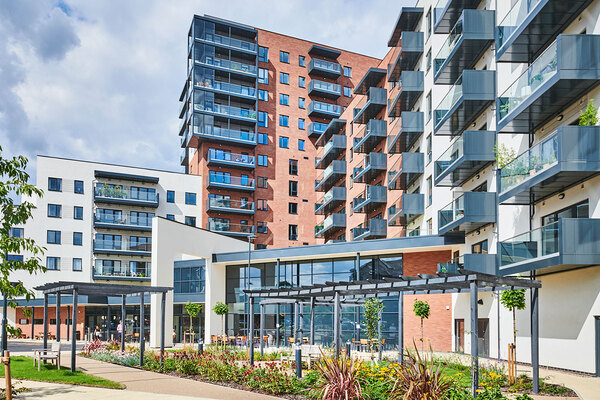
Students in London are choosing to stay in build-to-rent (BTR) developments rather than purpose-built student accommodation (PBSA), the former chief executive of student housing charity Unipol has said.


 Students in London are choosing to stay in build-to-rent developments rather than purpose-built student accommodation, the former chief executive of student housing charity Unipol has said #UKhousing
Martin Blakey said students were choosing to live in BTR because of the flexibilities offered by the Renters’ Rights Act 2025, which meant it was “costing them less” than a fixed-term PBSA contract.
He made the comments about the impact of recent legislation at the Next Steps for Student Housing in the UK online policy conference on 12 October, hosted by the Westminster Higher Education Forum.
The Renters’ Rights Act came into effect in May this year and replaced fixed-term tenancies with a rolling tenancy system, which makes it easier for a tenant to leave by giving two months’ notice.
Read more



While PBSA schemes are exempt, the rolling tenancy system is applicable to BTR and houses in multiple occupation (HMOs).
Landlords can also use a Ground 4A provision to reclaim a student HMO to re-let it to a new group of students for the next academic year.
Mr Blakey said: “Recently, there was a report out that said BTR is now housing more students in London than the off-street sector.
“So, [BTR is] no longer a kind of also-ran sector for students; it’s now a mainstream sector.
“And those students are getting the same kind of accommodation, very similar to purpose-built student accommodation, but with a different management model and greater tenant flexibility, and it’s therefore costing them less.”
He also said that it was “clear” that many students, and their parents, were now aware of the provisions of the Renters’ Rights Act and how they affect tenant flexibility.
Students have worked out that a “good way” of paying less is to have more flexible tenancies, including renting over shorter periods, Mr Blakey added.
More than three in 10 BTR residents in London are students, according to a May report from PriceHubble and BusinessLDN. Fewer than 10% of residents in the wider private rented sector in London are students.
Mr Blakey said the Renters’ Rights Act had come at a time when the student accommodation market was “undergoing considerable change and shifts in demand”. This includes increased student intakes at higher-tariff universities “at the expense” of lower-tariff universities, greater numbers of students choosing to live at home, and a rise in the need for affordable accommodation.
He added that friendship groups were smaller, meaning groups of friends were now favouring smaller HMOs or individual lettings over larger HMOs.
Since the post-COVID recovery period, there has been a decline in international students, and the shortfall in visa acceptances has risen to 57,000.
In August, research found that PBSA construction firms are focusing almost entirely on Russell Group cities as development pressures persist.
Landlords of HMOs sold off at least 2,000 student accommodation beds across the UK in the 12 months ahead of the introduction of the Renters’ Rights Act.
Are you subscribed to Inside Housing Living?
Inside Housing Living brings you exclusive analysis and big deals from the wider residential market, including build-to-rent, student living, later living, for-profit registered providers and more. Not subscribed yet?
Related stories