


You are viewing 1 of your 1 free articles
Are slower letting rates changing the build-to-rent market in London?
With reports of empty new build flats across London, questions have been raised about whether these are being let slowly. Zainab Hussain speaks to build-to-rent experts to find out if this reflects a repricing in the market


 Questions have been raised about slow letting rates in London. Zainab Hussain speaks to build-to-rent experts to find out if this reflects a repricing in the market #UKhousing
It is difficult to miss the recent increase in the number of residential towers across London. But it is even harder to ignore that some of these buildings appear dark, quiet and seemingly empty. Given the capital’s severe housing crisis, why would these brand new properties not be rented out?
In October, Peter Apps, contributing editor at sister publication Inside Housing, posted a photo on X of The Eades, a new housing scheme in Walthamstow. It showed two tall blocks in an area of massive housing need, with almost no lights on during the night.
Read more
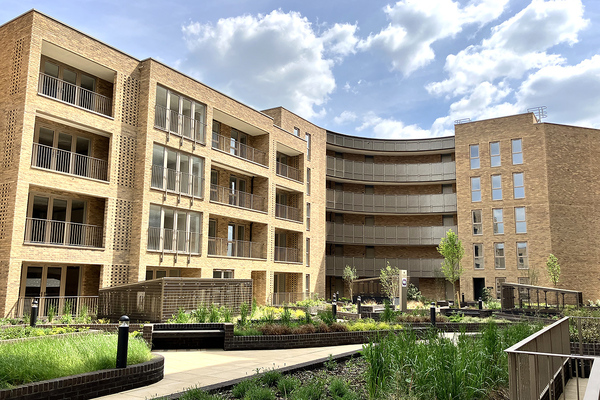


We recently reported on slow lettings in student accommodation, which is experiencing its worst year in a decade for empty or void properties amid a fall in the number of Chinese students. And we picked up anecdotal evidence that smaller institutional investors in the build-to-rent (BTR) sector are having trouble with voids, too.
To establish whether BTR operators are struggling to find tenants, we need a baseline. According to consultancy Molior, in the first nine months of 2025, the average lease-up rate across newly launched urban rental schemes in London was 26 homes per month.
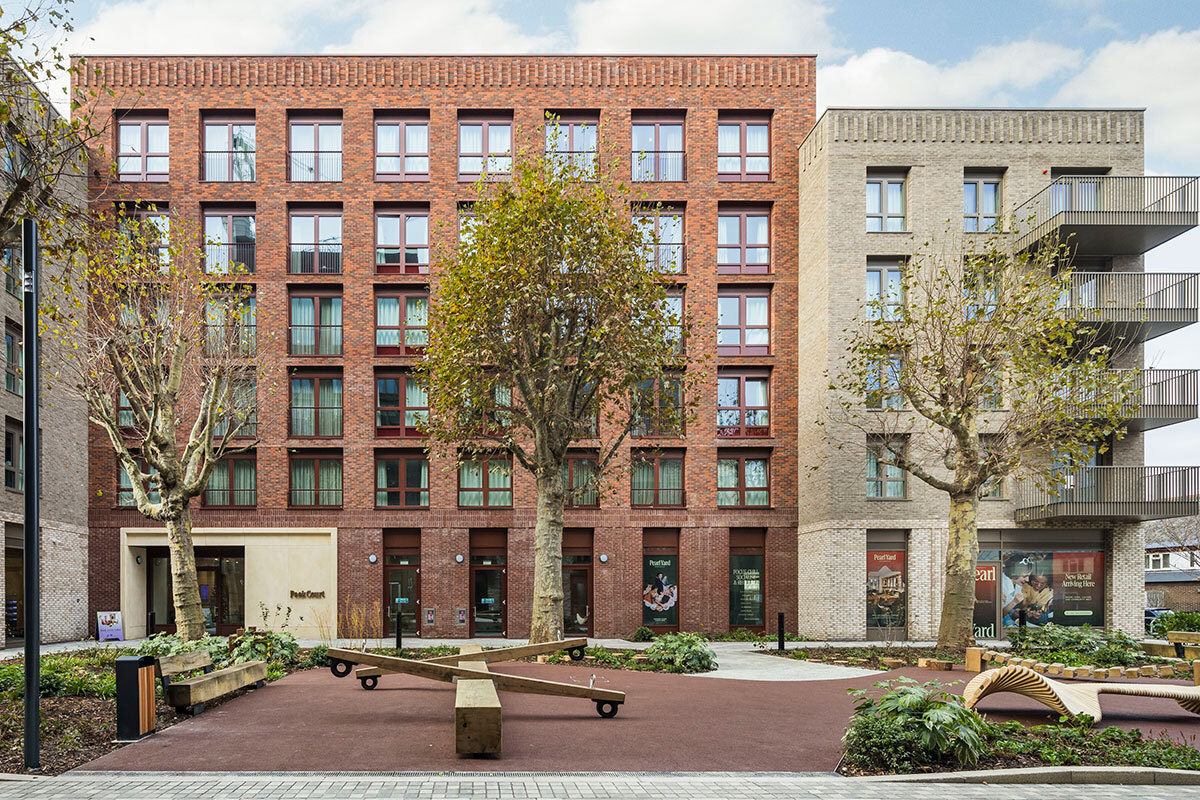
Some schemes are performing much better than average. Grainger, a BTR operator providing mid-market homes, is leasing its Seraphina development in Canning Town at 50 homes per month – which is 38% of the scheme’s 132 homes each month. Meanwhile Greystar, which provides homes at the higher end of the market, is leasing close to 100 homes a month at its Pearl Yard development in Bermondsey – equating to 6% of the scheme’s 1,624 homes a month.
So, are these figures high or low?
The Eades in Walthamstow - two relatively newly built blocks in an area of massive housing need. But when I pass by at night, almost all the lights are off. Where is everyone? pic.twitter.com/HnxQEMq9Ow
— Peter Apps (@PeteApps) October 16, 2025
Rebecca Taylor, managing director of multifamily at Long Harbour, which owns The Eades development, tells Inside Housing Living that these figures are “normal”.
Ms Taylor is also chair of the BTR committee at the British Property Federation and part of the BTR Alliance, a cross-sector group that champions the growth of the tenure.
Sharief Ibrahim, executive director and head of residential at CBRE, seems to agree. He explains that during the summer in Wembley, a BTR hotspot, CBRE completed around 10 transactions per week, or 40 per month. But in the winter, this fell to around five transactions per week, or 20 per month. On average, he says, this works out at somewhere in the mid-20s per month.
What has been going on behind the scenes to drive these figures?
The journey since the pandemic
According to Mr Ibrahim, the Covid pandemic introduced an unusual pattern by historical standards, where letting demand for urban flats had been steady throughout the year. But last year, letting demand returned to what it was before the pandemic: seasonal.
“Before Covid… the number of transactions in quarter four and quarter one were very low,” he says. “The reasons for that are obvious – the nights get darker, it’s wet, it’s cold, and typically tenants don’t tend to move in great numbers at those times of the year. Whereas you used to see this huge spike of demand in the summer.”
The spike, Mr Ibrahim explains, was driven by students, new graduates and their families moving into new homes during the summer holidays for lifestyle reasons. Since they originally moved during that period, it is likely they will continue to move in that same seasonal cycle.
“BTR is quite a nascent sector, and a lot of the providers and the investors have launched BTR products immediately prior to Covid and since Covid, so they’ve enjoyed this unusual period by historical standards, where you get fairly steady demand throughout the year – until last year,” he says.
“And so it’s taken BTR operators a while to understand that they need to be more flexible on price in quarter four and quarter one and if not, their occupancy might be impacted slightly.”
“In the past two years, the leasing market has become much softer”
Some investors and operators that worked in the pre-Covid market have adjusted to the change quickly, while others have not. To compound matters, Mr Ibrahim warns, the seasonal cycle will mean that BTR operators will see a “surge in demand” in quarter two and quarter three, where residents are moving out and moving in simultaneously, presenting “real operational challenges”.
Ms Taylor of Long Harbour echoes the idea that there has been a change in leasing rates since the pandemic. She explains that before Covid, a “normal” lease-up for a new building was between 12 and 20 homes per month. Demand increased post-Covid, with the rate approximately between 15 and 30 homes.
“In the past two years, the leasing market has become much softer, and that’s whether you’re leasing up a new asset, or if you’re trying to lease current assets and look at occupancy,” Ms Taylor says. “We think there’s a few things that are driving that: a lot of people are a lot more cost conscious, just from the cost of living crisis. But in terms of the student accommodation market, we’re seeing that has softened; [fewer] of those people live in our BTR buildings.”
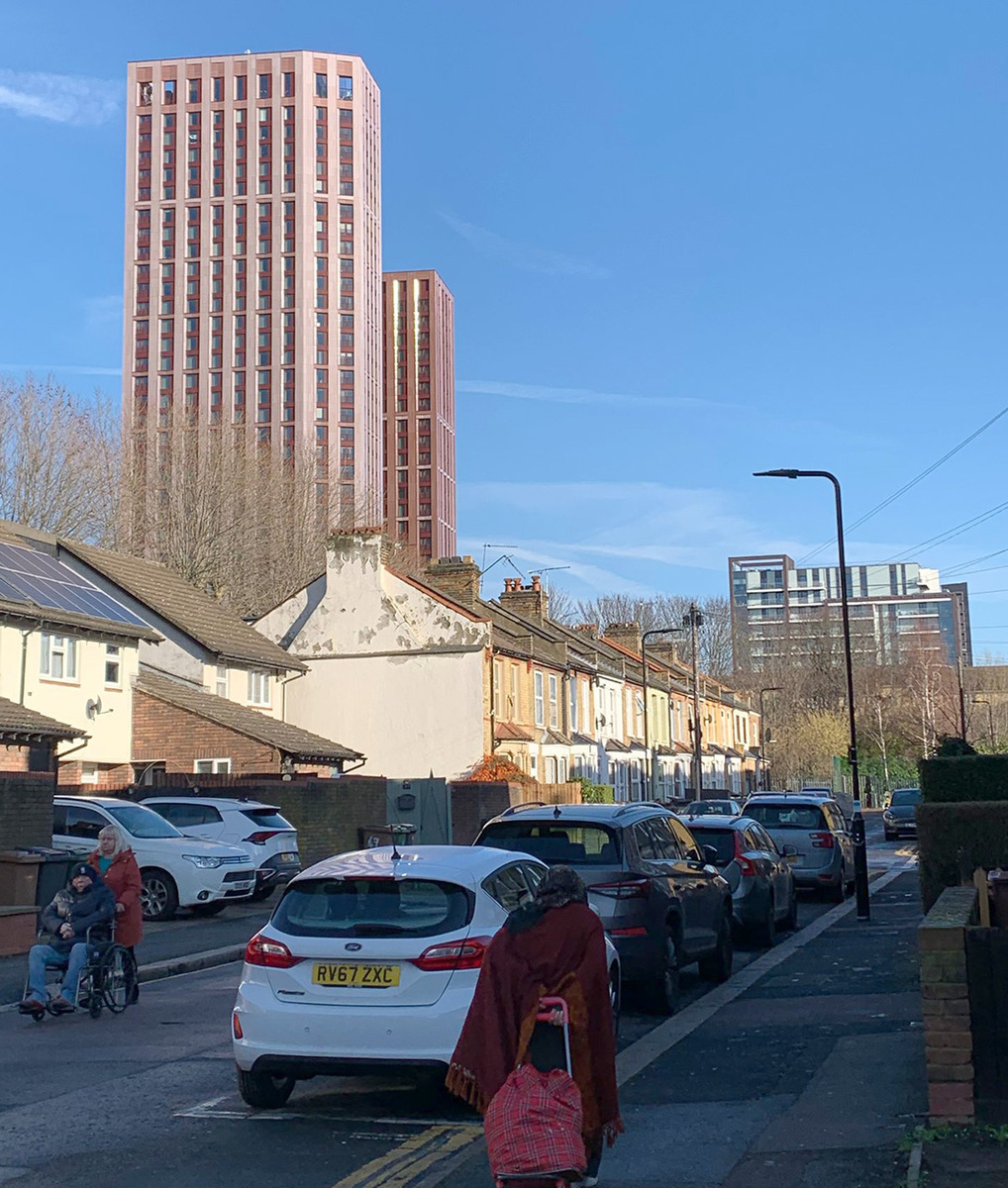
Long Harbour has five BTR schemes in London. According to Ms Taylor, The Eades has had approximately 15 lets a week since it opened in September 2025. In Colindale, The Draper is in its third and final development phase and has around five to 10 lets a week. Although both schemes are at a similar price point, The Draper has been leased more slowly as not all amenities are open and a train station was temporarily closed in 2024.
As for why some urban flats appear empty, Ms Taylor says it takes time for people to move in; most tenants move in six to eight weeks after paying their deposit because of different requirements. The Eades scheme, for example, was 20% pre-let – equating to almost 100 people. As of January 2026, The Eades is now 52% let.
Out with the old, in with the new
Newer operators and investors need to be aware of more than just the seasonal cycle. Mr Ibrahim says that the pandemic created some poorer schemes – whether that was because of the quality of the building, the amenities, or the location (being too far from public transport) – that performed well at the time. Today, these schemes are not performing very well because tenants are choosing other developments.
“The design and the optimisation [of newer schemes] have improved,” he explains. “The rent levels [for the older buildings] will probably have to drop to reflect where they now sit in the market. When they launched, it would have been the best thing to rent in a particular location – now it might be the third, fourth or fifth best thing… so the rent needs to change to reflect that.”
Another factor affecting the letting rate of an urban flat is the price point. Ms Taylor says that when it comes to schemes in the higher end of the market, there is “less of a depth of market of higher earners”. However, she says there is already a good spread of schemes in terms of affordability across the board.

Mr Ibrahim suggests that the sector needs to provide more affordable schemes. He adds: “We’re still very early in the BTR journey, and typically what people have done is they’ve tried to address the mid to upper mid-market with highly amenitised products and a rental level that is commensurate with that.
“As the market matures, what we really need is [a] low-amenity, affordable rental product that will replace the buy-to-let landlords that are exiting the sector for various different reasons, such as the Renters’ Rights [Act]… As those landlords exit the market, there will be increased demand, I believe, for more mid-market and affordable rental products.”
Ms Taylor says the sector needs to do more to promote BTR and the benefit for tenants.
Renters’ Rights Act
The Renters’ Rights Bill received royal assent in October, becoming the Renters’ Rights Act. One of the biggest changes the act will bring to the private rented sector is abolishing the two-month Section 21 evictions, so that tenancies will be periodic instead. Ms Taylor says the Renters’ Rights Act will be a benefit to the BTR sector.
“If we can adopt – and we all intend to adopt – the processes in the Renters’ Rights Act a lot more nimbly than maybe what a buy-to-let landlord can, then there will be a common talking thread,” she adds.
Meanwhile, Mr Ibrahim points out how the removal of fixed-term tenancies will affect tenant behaviour, saying it is “very difficult to predict”.
“If tenants move out more frequently, and in a scheme you have 1,100 units and your tenants move out on average, at the moment, every 18 months, and that then goes to every six months, you’ve got to rent a lot more flats to stay occupied,” he says. “My view is that we’ll probably see a surge in an immediate increase in move-out rates because you have got tenants that probably wanted to move out… and then it will settle down.”
He also points out that tenants living in London are more likely transient. They might be relatively affluent, generally young and at the early stages of their careers or studying, so a new job or completing their studies might mean they would move to a different area.
But according to Ms Taylor, London is a “safe haven”.
“The elasticity of earnings is much greater [in London] than in some of the regional cities… We see more opportunity and depth of market for renters in the London market,” she explains.
So this marks an interesting period for BTR operators and investors. The easing of the pandemic’s effects, combined with sweeping legal reforms, means there are more changes to come – but how will the sector react?
Sign up to our weekly Living newsletter
Sign up to Inside Housing Living’s newsletter, bringing you exclusive analysis and big deals from the wider residential market, including build-to-rent, student living, later living, for-profit registered providers and more.
Click here to register and receive the Living newsletter straight to your inbox.
And subscribe to Inside Housing Living by clicking here.
Already have an account? Click here to manage your newsletters.
Related stories


