You are viewing 1 of your 1 free articles
2026: the year retirement housing steps out of the shadows
Paul Teverson, director of Retirement Housing Group, reflects on the state of the retirement housing market heading into 2026


 Paul Teverson, director of Retirement Housing Group, reflects on the state of the retirement housing market heading into 2026 #UKhousing
This Christmas many of us will visit our parents or grandparents and notice they are not coping quite as well at home as they did last year. These moments often spark serious conversations: should we look for more support, consider downsizing, explore specialist retirement housing or contemplate a care home?
This is not a marginal issue. It is a live conversation in thousands of households, and it will become more common. There are 5.8 million people aged 75 or over, and this will grow to nine million by 2040. How we support them is one of the defining debates of our time.
Yet it is striking how absent this debate is from housing policy. Having spent 15 years as a director at retirement housing operator McCarthy Stone, before moving to the Retirement Housing Group, a trade group for the retirement housing sector, I remain staggered that housing policy is viewed almost solely through the lens of affordable housing and young people. Worthy aims, but ones that miss the whole picture.
Read more


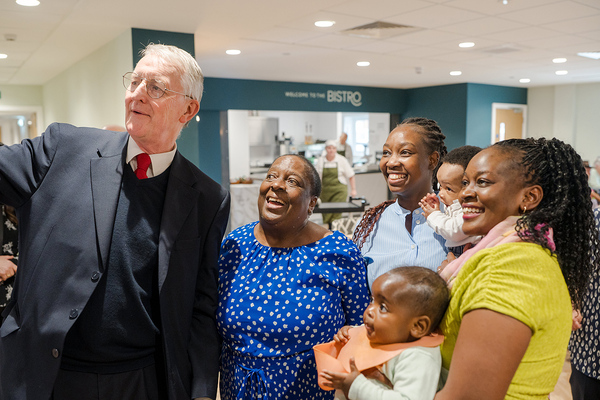
For those who need more support, retirement housing is a good option. It helps older people live safely, independently and with dignity, supported but not institutionalised. It reduces loneliness, fosters connection and creates vibrant communities. Downsizing frees up larger homes for growing families and first-time buyers, easing pressure on the wider market.
Retirement developments revitalise town centres, bringing footfall and sustained local spending. They reduce hospital admissions and delay the need for residential care, saving the NHS millions.
Almost one million people live in retirement housing in 780,000 properties. This is not a niche sector, it is a sizeable and vital piece of UK housing infrastructure. Yet new supply has collapsed in recent years.
“Retirement housing helps older people live safely, independently and with dignity, supported but not institutionalised”
In the 1980s, the sector built around 20,000 retirement properties annually. Today, that figure is just 7,000. Estimates show it should be closer to 50,000, which would make a meaningful dent in the government’s 1.5 million new homes target.
But this would entail overcoming several challenges. In terms of new provision, planning policy is often silent on retirement housing, there are real viability issues created by planning taxes, and rising build costs curtail new development.
There are also consumer concerns around costs and affordability, along with a general lack of public awareness and understanding.
Much of the existing retirement stock, particularly in the social sector, which makes up around two-thirds of all retirement properties, was built in the 1960s and 1970s and now needs refurbishment. Without investment, it risks stagnation.
I see three solutions to these challenges.
First, the sector must continue to evolve its models to ensure they remain appealing. This means choosing sites where older people genuinely want to live, with great designs and high-quality construction. Marketing must recognise the unique needs and aspirations of older people. Running costs should be transparent, fair and affordable, with the right mix of ongoing and high-quality property management, support and care services.
This could be funded through a ‘pay as you go’ service charge, or by utilising housing equity through an exit fee so people can ‘enjoy now, pay later’. Both approaches need to be properly regulated and equitable. Mixed tenure would also widen appeal, and the private rented retirement sector is a particular opportunity.
Second, the government and the sector must work together to ensure standards remain high and public confidence is retained. The statutory code of conduct for the private leasehold sector is operated by the Association of Retirement Housing Managers. The code should be given greater prominence and be renewed and updated. It will also need to be aligned with proposals to introduce commonhold.
We recognise the opportunity presented by commonhold to build confidence and empower residents, but it may need some modification to ensure it works for retirement developments.
Third, the government must act on the recommendations made by the Older People’s Housing Taskforce. This includes reforming planning so it encourages provision through the NPPF and local plans. The taskforce called for a planning presumption in favour of retirement housing and exemptions from affordable housing and CIL, which would address viability issues.
It should be noted that the new NPPF, published this week for consultation, starts to move in a more helpful direction, stating that 40% of new housing should be built to M4(2) or M4(3) accessibility standards. The taskforce also called for a greater role for Homes England to fund redevelopment of existing stock, and make 10% of its new supply for older people. The forthcoming Housing Strategy presents the opportunity to do this.
As many families quietly confront the realities of ageing with their loved ones this Christmas, we should be asking: why aren’t older people at the heart of our housing strategy? Retirement housing is not a luxury, it is a missing piece of the housing puzzle. It is time for the sector to step out of the shadows.
Paul Teverson, director, Retirement Housing Group
Sign up to our weekly Living newsletter
Sign up to Inside Housing Living’s newsletter, bringing you exclusive analysis and big deals from the wider residential market, including build-to-rent, student living, later living, for-profit registered providers and more.
Click here to register and receive the Living newsletter straight to your inbox.
And subscribe to Inside Housing Living by clicking here.
Already have an account? Click here to manage your newsletters.
Related stories