What I’ve learned from managing a 373-home build-to-rent development
Jack Hughes, general manager of single-family build-to-rent (BTR) platform Present Made, on how to manage large neighbourhoods while keeping operating costs under control – and what tenants really value


 Jack Hughes, general manager of single-family build-to-rent platform Present Made, on how to manage large neighbourhoods while keeping operating costs under control – and what tenants really value #UKhousing
The BTR sector has developed rapidly in recent years, but scale brings complexity. As schemes evolve from single blocks into fully-fledged neighbourhoods, operators must rethink what it means to manage not just homes, but communities.
At Present Made’s Eddington neighbourhood in Cambridge, a 373-home development with extensive shared amenities, we are seeing first-hand how operational excellence, cost discipline and resident experience must work together.
Managing scale: from buildings to neighbourhoods
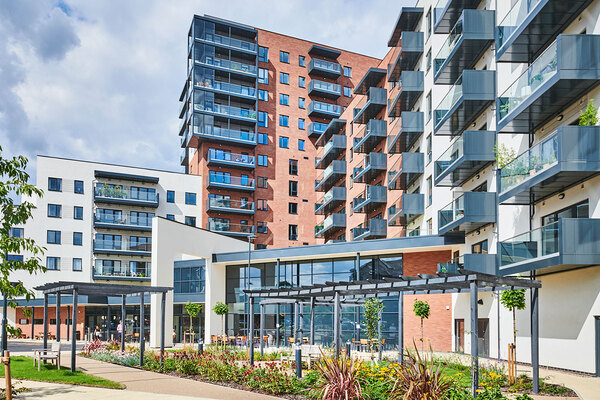
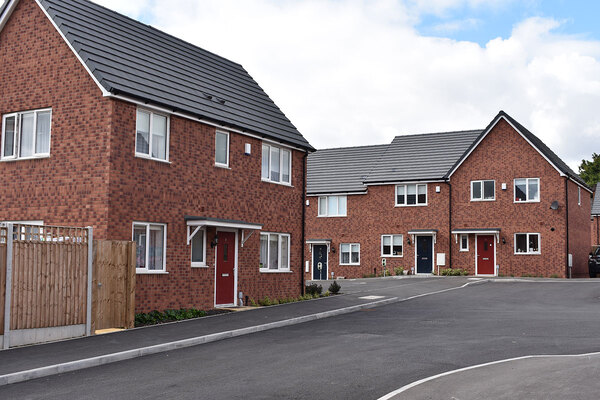
Operating a BTR scheme of this size requires a shift in mindset. At Eddington, the design integrates houses and apartments with shared amenities including co-working spaces, a gym, a cinema room and plenty of green spaces.
Read more


The key learning is that scale only works when it is human. Large schemes risk anonymity, but can become powerful platforms for connection when supported by intentional design and programming.
Our approach embeds community into the operating model through curated events, shared spaces and an on-site team that acts as both service provider and community facilitator.
Critically, operational teams must be visible, responsive and empowered. A 24/7 presence ensures maintenance issues are resolved quickly while building trust and showing accountability in action. This professional management model is a defining feature of institutional BTR and underpins its value proposition.
Technology also plays a central role. Resident apps streamline communication, bookings and maintenance requests, allowing teams to manage efficiently while enhancing convenience.
Keeping operating costs under control
One of the biggest challenges in large BTR schemes is managing operating expenditure without compromising service or experience.
At Present Made, this begins with the buildings themselves. Homes at Eddington are highly energy efficient, using modern construction methods and smart technology to reduce energy consumption and long-term running costs. This not only lowers operational costs but also reduces utility bills for residents, which is becoming an increasingly important consideration in today’s climate.
Scale can be an advantage, as larger schemes enable efficiencies in staffing, procurement and maintenance. A single on-site team can manage multiple functions, from concierge services to community programming, while bulk procurement reduces costs across cleaning, utilities and services.
However, the real opportunity lies in preventative maintenance and data-led operations. Operators can anticipate issues before they become costly problems by monitoring building performance and resident behaviour. This proactive approach reduces reactive spending and improves resident satisfaction simultaneously.
Importantly, not all amenities are created equal. The temptation in BTR is to overprovide, but successful schemes focus on amenities that are well-used and valued. Flexible spaces can serve multiple purposes, maximise utilisation and justify their cost, for example co-working areas that double as event venues.
What tenants really value
As the rental market evolves, so too do tenant expectations, with residents no longer focused on just renting a home; they are choosing a lifestyle. Research and experience consistently show that tenants value three core things: quality, convenience and community.
Quality starts with thoughtful design. Homes have high-end finishes, modern appliances and the flexibility for residents to personalise their space, including the ability to decorate and bring pets. This sense of ownership, even within a rental context, is critical.
Convenience is delivered through service. A seamless application process, on-demand maintenance and inclusive features such as ultra-fast wi-fi remove friction from everyday living. These are not ‘nice-to-haves’, but essential components of a modern rental offer.
Increasingly, it is community that differentiates. At Eddington, the neighbourhood has been designed around ‘people before cars’, with green spaces, walkable streets and shared amenities encouraging interaction. A year-round calendar of events – from fitness classes to cultural activities – helps residents build connections and a sense of belonging.
This has tangible benefits. Community living supports well-being, reduces loneliness and fosters longer tenancies. Residents who feel connected to their neighbours and their environment are more likely to stay, recommend and care for their homes.
A positive impact beyond housing
The success of large-scale BTR schemes ultimately depends on their ability to create places where people want to live, not just units to let. At Present Made, we believe renting should be a positive, aspirational choice, not a compromise.
By combining thoughtful design, professional management and a strong focus on community, BTR can deliver more than housing. It can create neighbourhoods that support healthier, more connected lives.
As the sector continues to grow, the challenge and opportunity is to ensure that scale enhances, rather than dilutes, this experience.
If done right, large BTR schemes can set a new standard for renting in the UK: one where operational excellence, cost efficiency and community living are not competing priorities, but mutually reinforcing pillars of success.
Jack Hughes, general manager, Present Made
Are you subscribed to Inside Housing Living?
Inside Housing Living brings you exclusive analysis and big deals from the wider residential market, including build-to-rent, student living, later living, for-profit registered providers and more. Not subscribed yet?
Related stories