The public-private partnership building a new almshouse in central London
A charity and a private developer are building a new almshouse on the south bank of the Thames to house 128 older people. Zainab Hussain visits the site and learns how the model will work


 A charity and a private developer are building a scheme in central London to house 128 older people. Zainab Hussain visits the site and learns how the model will work #UKhousing
220 Blackfriars Road in Southwark, south London, has been continuously occupied from 1752 to 2024 as an almshouse, a type of affordable housing run by charities. Most recently it was known as Edward Edwards’ House, owned by Southwark Charities.
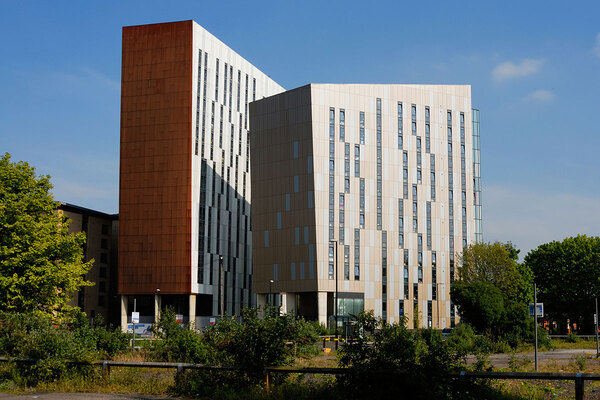
Although the almshouse provided 25 charitable homes for those in need, hardship or distress, it was in desperate need of modernisation. This led Southwark Charities to establish a partnership with Slovakian developer JTRE.
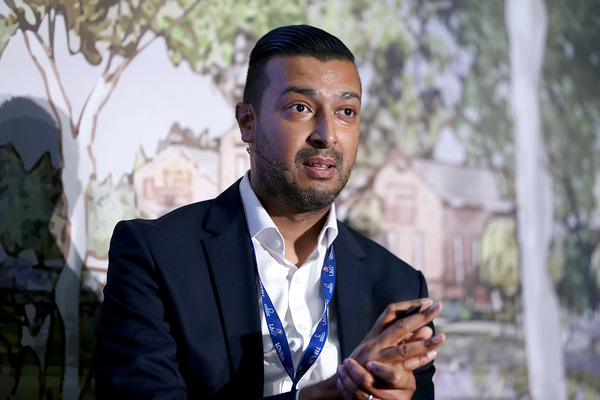
“The concept behind JTRE is about shaping space,” Nigel Fleming, managing director of JTRE London, tells Inside Housing Living at an event that took place at the development site, marking the start of construction.
Institutional investors think in terms of build-to-rent, co-living and traditional retirement housing – not charitable almshouses. But this project shows that unusual approaches can offer something new.
For example, housing for older people frees up more social housing for others in need – JTRE estimates that for every individual older downsizer, two homes are made available in the housing chain. Many of these people experience health and physical challenges, making it difficult for them to live in temporary arrangements.
Read more



“As a developer, we’re benefitting in that we are creating a commercial revenue-generating entity – but we’re also creating something that has real significant social value for the community, and that to us is a much more powerful message,” Mr Fleming says.
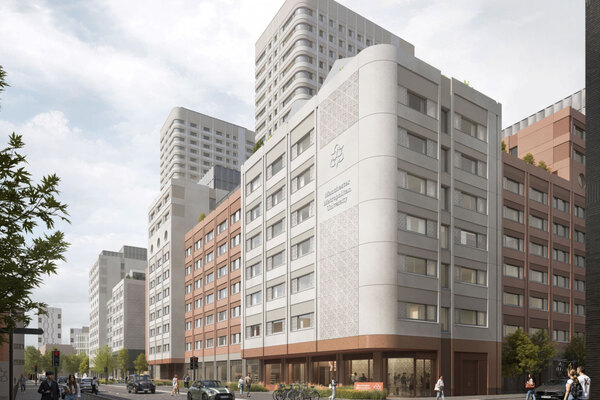
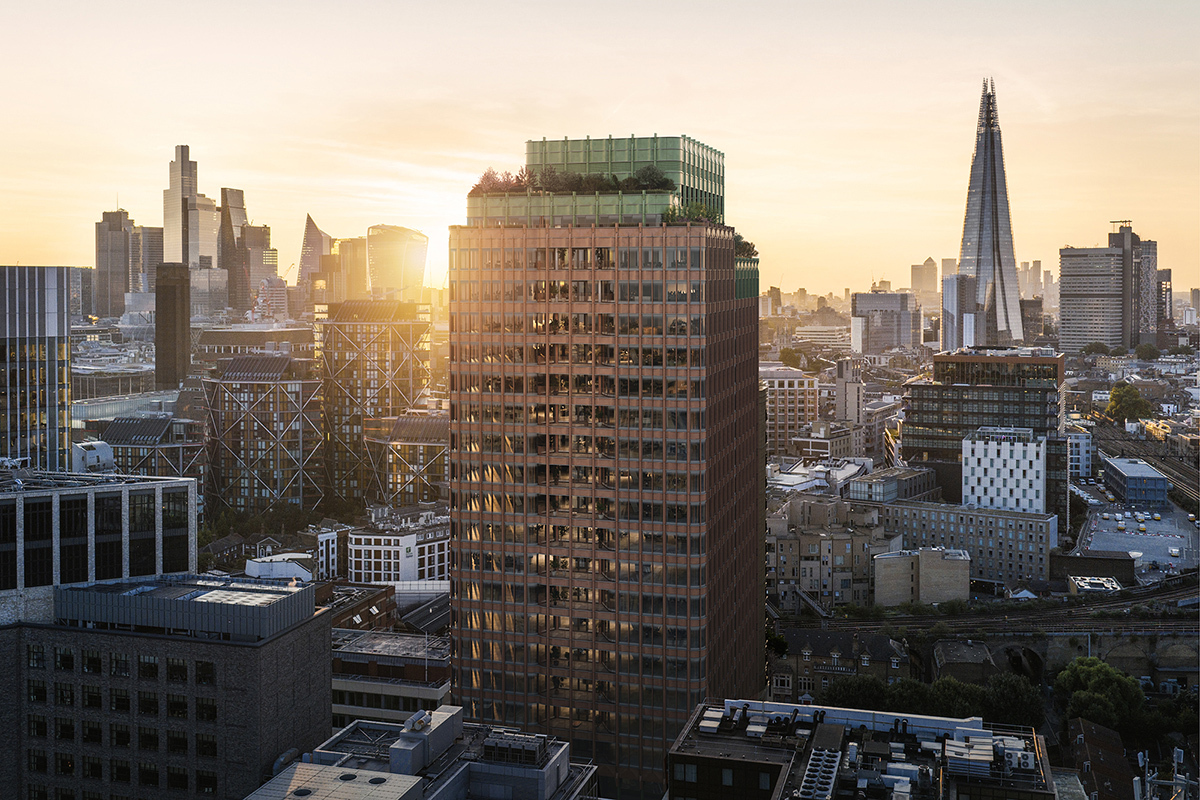
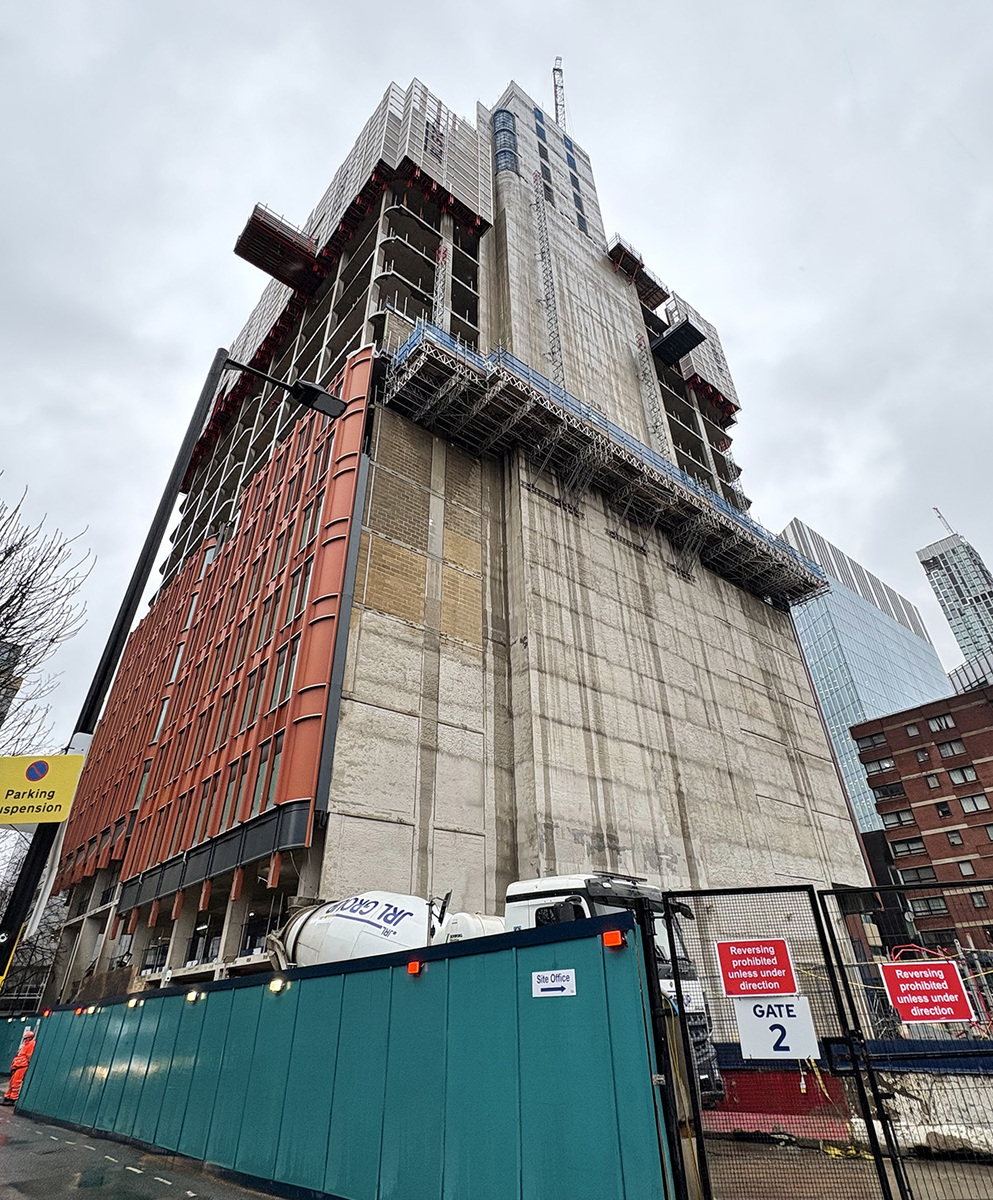
Plans for the project include demolishing the existing development and replacing it with an office building, along with a new 64-home residential building providing 100% affordable homes for older Londoners. That is more than double the number of homes previously.
Chris Wilson, chief executive of Southwark Charities, tells Inside Housing Living that providing the 64 homes could potentially help almost 400 people “right-size” into more appropriate housing.
He cites research from the Smith Institute that indicates the creation of one new one-bedroom social home can lead to between six and eight other individuals or families moving to better-sized accommodation. This can be both downsizing, for example an older person moving into a smaller home, or upsizing, like a family moving to a bigger home with more bedrooms.
The Blackfriars Road redevelopment will also have communal spaces including a roof terrace, a publicly accessible garden and a community centre for events and activities, reducing social isolation. There will be a charitable hub, with a floor of the offices dedicated to affordable workspace for charities.
The offices will be due for completion in late 2027, while the almshouse will complete in 2028. In the meantime, the almshouse’s residents have moved into Appleby Blue, another almshouse also provided by JTRE London in partnership with United St Saviour’s Charity in Bermondsey.
Rents from the office building will subsidise the affordable homes. Rather than rent, residents will pay a weekly maintenance contribution towards the maintenance of the building, which will work out as two-thirds of the Local Housing Allowance.
Individuals over the age of 55 who are in financial need of affordable homes and who have lived in the Greater London area for at least the past five years are eligible for these homes. Priority is also given to residents of the London Borough of Southwark.
So, how exactly does the development model stack up?
“They [Southwark Charities] own the freehold of the land [and] we have taken a long leasehold interest,” Mr Fleming of JTRE explains.
“We retain the commercial building, and they retain their almshouse. And then 5% of the rent of the commercial [office space] goes back to their grants scheme, which is, from a social value perspective, an incredible story and it’s quite a unique project in that way.”
Southwark Charities’ grants programme is one of its four core service areas, and provides funding to community organisations promoting the well-being of Southwark residents aged 55 and over.
This might include exercise classes, day trips and meal support, as well as skills training. The partnership will increase Southwark Charities’ grants programme by 100% – from £500,000 per year to approximately £1m a year once the development is operational.
“[JTRE] have fully accepted our wish for an almshouse that will stand for over 100 years, providing high-quality homes for generations of people”
JTRE, founded in 1996, now has offices in Bratislava and Berlin and has been in the UK since 2019. The gross development value of its projects is over €1.8bn (£1.5bn) and it has a further €11.9bn (£10.4bn) worth of projects in the pipeline in central Europe and the UK.
Edward Edwards’ House is JTRE’s third in Southwark. It was preceded by Triptych Bankside, which provided 169 homes for private sale, and Appleby Blue, an almshouse with 57 homes for affordable rent, which won the 2025 Stirling Prize. Once the 220 Blackfriars Road development is complete, its gross development value will be £400m.
Mr Wilson of Southwark Charities says when looking for a partner, his priority was to identify who was willing to create “genuine social value in a development” and “see the opportunity to build high-quality, sustainable, energy-efficient homes” alongside an office building.
“[JTRE] knows what we’re trying to achieve,” he says. “The charity invested over £4m to get planning consent which put the almshouses front and centre, and the designs, by Fathom Architects, have already won an award based on CGIs.”
He adds that under the agreement with JTRE, “they have a free hand on the interior of the office building”, while “in return they have fully accepted our wish for an almshouse that will stand for over 100 years, providing high-quality homes for generations of people”.
The site has a fascinating history. Edward Edwards, a stonemason, left his estate in 1717 to trustees to provide almshouses. Mr Edwards wished to provide almshouses in his parish of Christ Church, Blackfriars.
Rather than leaving a large sum of money in his estate, he left property, so the trustees would save up rents, then use them to buy land and build almshouses. In 1752, the trustees bought the Blackfriars site. By the end of the 18th century there were 44 homes.
Traditionally, only women – referred to as inmates – lived in the almshouses, which were run by men. The inmates were expected to be grateful for the benevolence of the founder, and in many cases, were required to attended church every Sunday to pray for him. If the rules were not adhered to, the offender would usually have to leave the almshouse.
But today, attitudes towards almshouses have changed, to include compassion and generosity, with the aim of fostering community. The almshouses were rebuilt in the late 19th century and replaced again in the late 1960s. It is this mid-century building, built in the 1970s, that was demolished in 2024 for this new development.
The building’s 25 self-contained flats were arranged in a traditional almshouse configuration – set out in a two-storey, horseshoe layout of single-level apartments, enclosing a residents-only communal garden. But the arrangement limited the density and scope for additional shared facilities.
JTRE is also looking to fast-track its presence in the London market by securing additional sites in Zones 1 and 2. Why has it chosen the capital and what have been the challenges?
“[London] is a powerhouse of a city,” Mr Fleming says. However, “any developer you speak to, I think, is going to say the same thing: the Building Safety Regulator process is [an] extremely tricky process, and it’s complicated, and it’s something that a lot of developers are struggling to navigate”.
He adds: “Ultimately, you have to have a willing government with willing policies and it has to make sense from our side.
“There were comments made about the [220 Blackfriars] land, that every developer [that] approached [Southwark Charities wanted] to take the social housing and affordable housing and try and put it in another location – that’s typically how it has worked.
“But, rightly so, why should [existing residents] be moved from their communities? The only way that you can really do that is if the numbers stack up.
“This is all something that the government and the local council can have an impact on. So, it’s about support from the local partners.
“And I think there’s a willingness from the charity and the developer, but it’s about the other pieces coming together.”
Mr Fleming also tells Inside Housing Living that many charities have large land holdings in “prime” central London, so developers should be looking to housing associations and similar types of partnerships that are mutually beneficial.
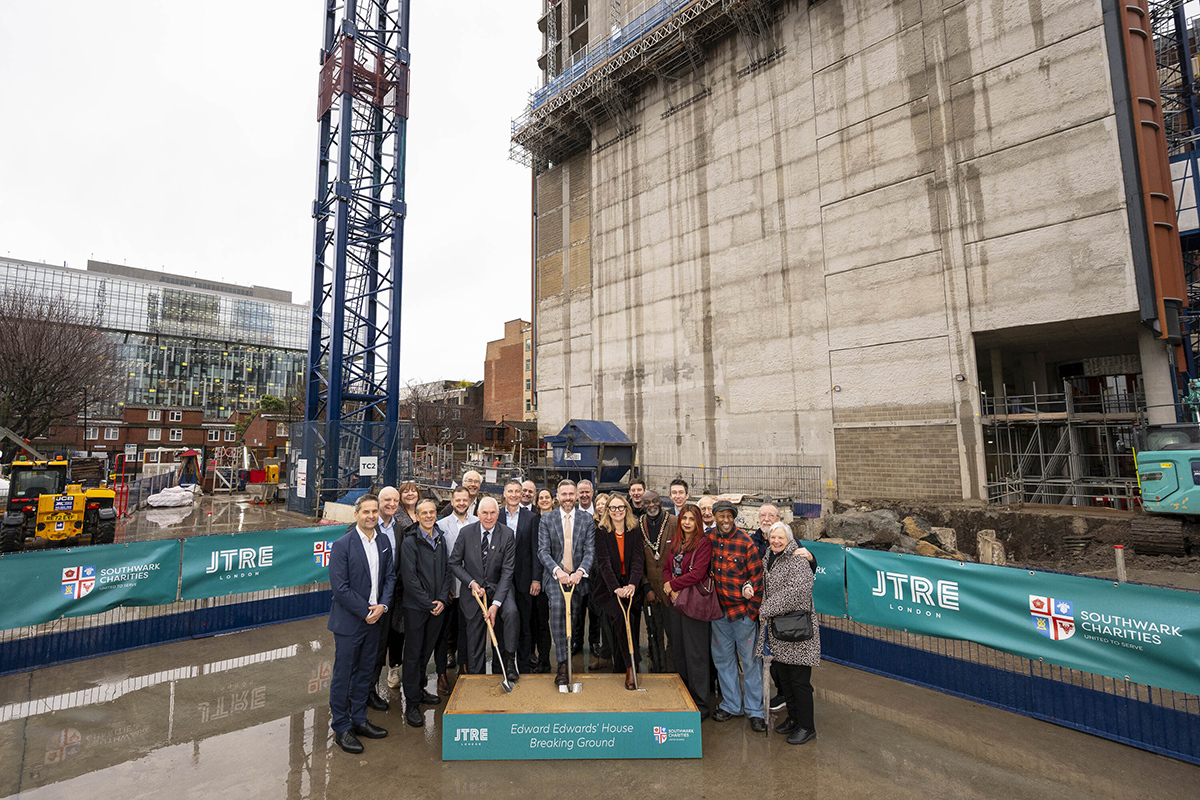
Tom Copley, deputy mayor of London for housing and residential development, was at the ceremony marking the start of the construction of the Edward Edwards’ House almshouses, which also hosted JTRE, Southwark Charities and some of the almshouse’s residents. They gave speeches, were offered breakfast and took pictures on the site to celebrate. On the sidelines, Mr Copley tells Inside Housing Living that London could “really benefit” from “new players” coming into the market.
He adds: “One thing that really struck me about this scheme was the history of the site, and the charity’s involvement in terms of [it] being a guardian… of the site over the centuries, and the history of redeveloping the site on a number of occasions to make sure that it’s up to modern standards, and that’s happening again for the 21st century.”
“Almshouses are one of the oldest forms of affordable housing but are still very relevant to our times”
But on creating the right environment for developers to come into London and build more homes, Mr Copley outlines a few recommendations.
“Firstly, we have to get our planning framework and our regulatory framework right,” Mr Copley explains. “I think that the time-limited emergency package could play a key role in that, as will the next London Plan, which is currently being drafted.
“Of course, it’s important that we get the regulatory framework right, and that’s why the reforms that are being made to the Building Safety Regulator under the new leadership of [Lord] Roe and Charlie Pugsley, is really important, and we’re already starting to see the benefits of that new leadership in terms of the speeding-up of the process, but also the levers that we’ve got at City Hall through our new Social and Affordable Homes Programme.”
He adds: “I think we’re already starting to see the improvements in the Building Safety Regulator, and I saw that [Gateway 2] approvals have tripled recently.”
Partnerships like these could unlock affordable housing for many older people across the capital, while also freeing up more social housing for others in need. Today, the UK has a large social and affordable housing sector, with increasing backing from institutional investors through for-profit registered providers. So why are almshouses still needed?
“Almshouses are one of the oldest forms of affordable housing but are still very relevant to our times,” Mr Wilson says.
“People will always need long-term, secure, high-quality homes to live in, and if that is connected to a shared sense of being neighbourly, then the physical and mental health benefits are enormous.”
It appears that some developers have a real appetite for these mutually beneficial partnerships, and with the right policies, delivering them could be made simpler and unlock more similar opportunities.
Sign up to our weekly Living newsletter
Sign up to Inside Housing Living’s newsletter, bringing you exclusive analysis and big deals from the wider residential market, including build-to-rent, student living, later living, for-profit registered providers and more.
Click here to register and receive the Living newsletter straight to your inbox.
And subscribe to Inside Housing Living by clicking here.
Already have an account? Click here to manage your newsletters.
Related stories