You are viewing 1 of your 1 free articles
Trump single-family ban could significantly boost UK investment, experts say
Donald Trump’s proposal to ban institutional investors from buying suburban houses could “significantly boost investment” in the UK, experts have said.


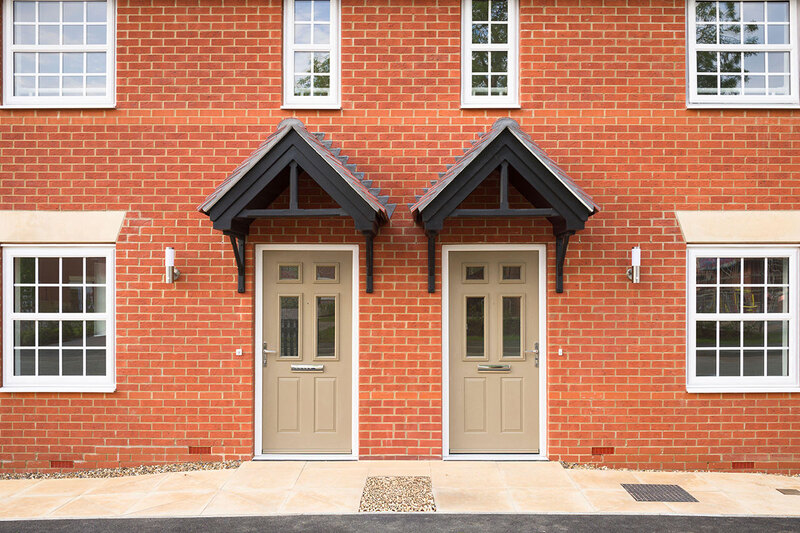 Donald Trump’s proposal to ban institutional investors from buying suburban houses could “significantly boost investment” in the UK, experts have said #UKhousing
The US president shared a post on social media on 7 January that backed a ban on institutional investors purchasing suburban houses, or single-family homes, in America.
Mr Trump wrote: “For a very long time, buying and owning a home was considered the pinnacle of the American dream… That American dream is increasingly out of reach for far too many people, especially younger Americans.
“It is for that reason, and much more, that I am immediately taking steps to ban large institutional investors from buying more single-family homes, and I will be calling on congress to codify it.”
“People live in homes, not corporations,” he added.
Read more



Inside Housing Living spoke to a variety of experts in the UK build-to-rent market about how a ban in the US could affect Britain. Many were keen to stress the difference between the US and UK build-to-rent markets, while some suggested that UK investment could rise significantly as a result.
Ellis Hearfield, director of build-to-rent and private rented sector at property agency Avison Young, said: “While the US market is far more mature, even a modest reallocation of capital from the US to the UK could significantly boost investment volumes here.
“Institutional investors also bring quality, professionally managed homes and add choice for renters, which contrasts with the fragmented approach of small-scale landlords. This investment supports both rental supply and the wider housing market.”
Ged McPartlin, former managing director of Ascend Properties, also argued in a comment piece for Inside Housing Living that banning institutions from buying suburban homes could send American dollars flooding to the UK. He said the move is an open goal for the UK property market and could be the jump-start the market needs to stimulate growth.
However, a law firm close to the UK single-family market took a different view. It told Inside Housing Living that finding the capital for single-family housing has been the easiest step when providing these homes in the UK. Instead, the biggest challenges have been around securing planning approval from local authorities and getting through the Building Safety Regulator’s Gateway 2 process.
UK investor Long Harbour manages a single-family fund. It aims to grow this fund to £1.6bn and build 5,000 homes.
Jack Spearman, managing director of single-family housing at Long Harbour, argued that the US single-family market has been tainted by political debate about competition over existing homes, whereas the UK single-family market is different.
He said: “While the US and UK housing markets are often conflated, they are structurally very different. In the UK, single-family housing is fundamentally a build-to-rent model: we build homes rather than buying existing stock, so we are not competing with first-time buyers. This is a distinct product that funds new development, accelerates delivery and directly increases the supply of homes available to rent.”
According to US private equity giant Blackstone, institutions own 0.5% of total single-family homes in the US. Laurie Goodman, a fellow at the US-based Urban Institute, found that institutional investors make up approximately 4% of the US single-family market.
In the past five years, institutional investment has delivered 14,000 new single-family rental homes in the UK, with a further 11,000 homes under construction, according to Knight Frank.
Mr Spearman continued: “Much of the political debate in the US reflects frustration about corporations competing with homebuyers for existing homes. That is not the UK model. Here, institutional capital is enabling homes to be built that would not otherwise come forward, expanding supply rather than competing with homebuyers.
“The UK remains well positioned to attract long-term investment given the structural undersupply of rental housing and the government’s active support for development and a more professional private rented sector through planning reform and the Renters’ Rights Act.”
Danny Pinder, director of policy (real estate) at the British Property Federation, also defended UK single-family investors. He argued that they are providing additional new homes that would not have been built without their investment.
Mr Pinder said: “Against a backdrop of continued landlord departures and growing affordability pressures for would-be buyers, institutional investment in single-family housing must be seen for the positive contribution it is making to the suburban housing market, providing additional new homes that provide secure long-term tenancies to a wide demographic of renters.
“As investor appetite for purpose-built communities continues to grow organically and as a consequence of any changes in the international regulatory landscape, it is important that the UK government sends positive signals to investors that it is committed to its housing delivery goals and the important role their investment will play.”
Real estate fund manager Moorfield Group highlighted in a social media post that Reform UK, the party currently leading the polls, has shown no sign of resistance to professional landlords increasingly participating. Reform has also publicly favoured loosening regulations and taxes on buy-to-let landlords.
This week, it was reported that Blackstone is looking to sell its suburban build-to-rent business, Leaf Living, for over £1bn. The US private equity group founded Leaf Living with property investor Regis in 2021.
In October last year, data showed that investment in single-family stood at £1.5bn – down 11.8% from £1.7bn at the same time in 2024, but 15% above 2023 when it first took off in a significant way.
Suburban houses made up 45% of total build-to-rent investments, with 32 deals, down from 38 deals in 2024. The average price stood at £44m.
Sign up to our weekly Living newsletter
Inside Housing Living brings you exclusive analysis and big deals from the wider residential market, including build-to-rent, student living, later living, for-profit registered providers and more.
Already have an account? Click here to manage your newsletters.
Related stories